45 reading food labels cholesterol
Reading and Understanding Food Labels and Nutrition Info - Beaumont Health A one-percent reduction of saturated fat in your diet reduces your heart disease risk by three percent. Keep saturated fat to less then 15 grams per day. It is not required to list unsaturated fats (polyunsaturated and monounsaturated) on food labels. In general, unsaturated fats lower cholesterol. The healthiest unsaturated fat is canola oil. Reading Food Labels - What You Need to Know - Drugs.com Reading labels may also help you to eat less of the nutrients that could cause health problems. Eating too much fat, saturated (SACH-er-ay-ted) fat, trans fat, cholesterol (koh-LES-ter-ol) and sodium may increase your risk for certain health problems. Some of these health problems are heart disease and high blood pressure.
Interactive Nutrition Facts Label - Food and Drug Administration Download the Cholesterol Fact Sheet. (PDF: 169 KB) Nutrition Facts 4 servings per container Serving size 1 1/2 cup (208g) Amount Per Serving 240 Calories % Daily Value* 5% Total Fat 4g 8% Saturated...
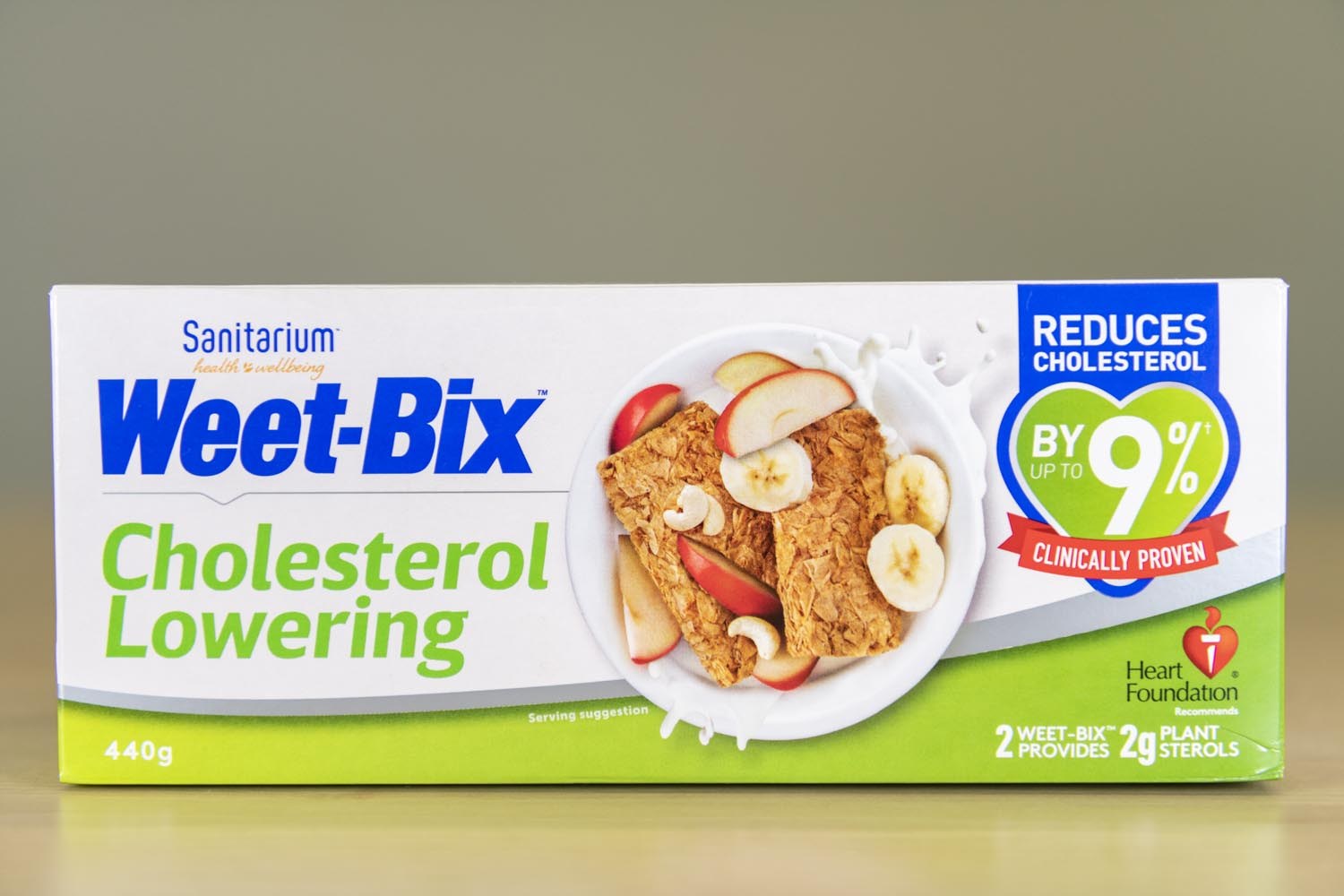
Reading food labels cholesterol
How to Tell if Foods Are Low or High Cholesterol - Verywell Health Each food label should include milligrams (mg) of cholesterol per serving. Don't forget to look at the serving size as well. Sometimes products can seem low in cholesterol, but if you eat more than the recommended servings at one sitting, then you can end up consuming a lot more cholesterol than you intended. How to Read the Nutrition Facts Label on Packaged Foods - WebMD Limit salt to 2,300 milligrams (about 1 teaspoon) daily. If you have high blood pressure, kidney disease, or diabetes, or are African-American or older than 51, your daily limit is lower: 1,500... How to Read Nutrition Facts Labels the Right Way - GoodRx However, foods that contain less than 0.5 g per serving are allowed to list the trans fats as 0 g on a nutrition label, so consumption of these fats is still possible. Foods that may contain small amounts of trans fats include: Packaged baked goods Ready-to-eat frozen meals Refrigerated doughs Fried foods Margarine Shortening
Reading food labels cholesterol. Food Labels: Fat & Cholesterol | Home & Garden Information Center The 2015 Dietary Guidelines for Americans recommends the following intakes of fat and cholesterol every day: total fat—20 to 35% of calories, depending on age and gender (65 grams for the 2,000-calorie intake level used in the Daily Value)* saturated fat—less than 10% of calories** trans fat— keep as low as possible How to Read Food Labels : Food Network | Food Network The percent of the Daily Value that is listed on the upper portion of the food label is yet another way to gauge how much saturated fat and cholesterol are in the foods that you buy and eat. If a... PDF How to Read the Food Label - University of California, Santa Cruz Cholesterol. Cholesterol is in foods from animal sources, such as meats, poultry, fish, eggs, and dairy. Try to keep your cholesterol intake to less than 300 milligrams (mg) per day. A low-cholesterol food has less than 20 mg per serving. Sodium. Too much sodium (salt) may raise your blood pressure. Less than 2,300 mg of sodium each day . is ... Reading food labels: Tips if you have diabetes - Mayo Clinic Look for foods with fats, cholesterol and sodium on the low end of the Daily Value; keep fiber, vitamins and minerals on the high end. If your doctor or registered dietitian recommends more or less than 2,000 calories a day, you may need to adjust the percentage accordingly — or simply use the percentage as a general frame of reference.
PDF A Guide to Reading Food Labels - University of Rochester Food Labels Reading food labels can help you make wise food choices. Most foods list nutrition information on the package label, called Nutrition Facts. ... They may raise your blood cholesterol level, which can increase your risk of heart disease. Choose foods containing less than 10% of calories from saturated fat. How to Read Nutrition Labels - Frederick Health Serving Information (top of the label): The number of servings in the package or container and the serving size. The serving size is the amount that people typically eat or drink— not how much you should eat or drink. Calories (second on the label): A measure of how much energy you get from a serving of the food. Reading Food Labels - The Queen's Health Systems Reading food labels is a good way to start monitoring your salt intake. Review these key points on food labels to help you evaluate your diet and be aware of nutritional factors that can affect your overall health. ... Total Fat, Cholesterol, Sodium and Total Carbohydrates: While we do need these nutrients for our bodies to work properly, it is ... How to Read Nutrition Labels: Fat Content, Carbs & What To ... - HighKey They can be labeled as 0 grams if they contain less than 0.5 grams per serving, but another clue that a product is made with trans fats, is if the ingredient list includes "partially hydrogenated oil." Cholesterol Cholesterol is a fatty like substance which comes from animal foods only.
Reading Food Labels | ADA - American Diabetes Association The Nutrition Facts labels on foods are really the key to making the best choices. We'll cover the basics so that these labels make shopping easier for you. You've heard it all. From carb-free to low-carb, to whole and empty carbs, it's hard to know what it all means. Blood sugar highs and lows aren't always easy to understand. How to Understand and Use the Nutrition Facts Label | FDA Dietary fiber, vitamin D, calcium, iron ad potassium are nutrients on the label that Americans generally do not get the recommended amount of. They are identified as nutrients to get more of.... How Do I Read "Nutrition Facts" Labels? - GCHD How do I read the nutrition facts label? Most foods in the grocery store have a nutrition label and list of ingredients. Claims like "low cholesterol" and "fat free" can be used only if a food meets standards set by the government. The "Nutrition Facts" label contains this information: • Serving Size — If you eat double the ... PDF Food Label Tip: Choose Low Saturated Fat Trans Fat and Cholesterol Food Label Tip: How to Choose Foods Low In Saturated Fat, Trans Fat, and Cholesterol 1 alue* t 8g t 5g ans t 0g 12%35mg 5%125mg 12% 25% t 70 alue* t 0g t 0g ans t 0g 2%5mg 5%125mg 0% 0% t 0 acts er Container 20 alue* at 10g at 3g rans at 1g ol 0mg Sodium 660mg ydrate 7g y Fiber 1g Sugars 6g otein 1g 15% 15% 0% 28% 2% 0% ing Calories at 90
Food labelling overview | Obesity Evidence Hub
How to Read Food Labels Like a Nutritionist | HUM Nutrition Blog How to Read Food Labels Step 1: Be Wary of Claims Look at food labels like you're reviewing a potential paramour's online-dating profile. In other words, be skeptical of baiting phrases. (Think terms like "cholesterol free" and "natural.")

uhealth: Buyer beware… Health Claim or Advertising Strategy
PDF How Do I Understand the "Nutrition Facts" Label? "Nutrition Facts" Label? (continued) • Trans Fat - is also considered a "bad fat" because it can raise your LDL cholesterol and your risk of heart disease. Choose foods with "0" grams of trans fat. Read the ingredient list to avoid foods that contain "partially hydrogenated" oils. Everyone can benefit from limiting trans fat.

How To Read A Food Label Handout
How to read food labels | healthdirect Saturated fats are linked to an increased risk of heart disease and high blood cholesterol, so it is especially important to choose foods low in saturated fat. Carbohydrate (total): Carbohydrates are found in all fruit and vegetables, all breads and grain products, and sugar and sugary foods. You need carbohydrates for energy. Click to open PDF.

New Food Label Poster - Nutrition Facts Label Poster in 2020 | Food labels, Reading food labels ...
How to Read Food Labels for a Heart-Healthy Diet Partially hydrogenated oil Omega-3 fatty acid Olive oil Butter What's important to know about the first ingredient listed on a label? It's the healthiest. It's in the largest quantity. It's first due to alphabetical order. What words should I look out for that mean sugar? High-fructose corn syrup Agave nectar Dehydrated cane juice All of the above
Reading Food Labels and Managing Type 2 Diabetes
Easy Guide to Understanding Food Labels When You Have High Cholesterol ... This means that your food may contain trans-fat even if the food label says 0 gram. Therefore it's important to check the ingredient list (more on this later). Cholesterol guidelines currently recommend having not more than 300 milligrams of cholesterol per day, and if you have heart disease, aim for less than 200 milligrams per day. 2.

How to Read Food Labels
How to read food labels - Heart Foundation NZ The star rating is calculated using an algorithm that takes into consideration a number of positive and negative nutrients for a particular food. The positive elements include protein, fibre, fruit, vegetable, nut, seed and legume content. The negative elements include energy, sodium, saturated fat, and sugar.

How to Read a Food Label | Reading food labels, Nutrition facts label, Nutrition labels
PDF Interactive Nutrition Facts Label - Cholesterol - Food and Drug ... Interactive Nutrition Facts Label • March 2020 Cholesterol 1 Cholesterol What It Is Cholesterol is a waxy, fat-like substance found in all cells . of the body. Cholesterol is produced by the body (primarily by the liver) and is also consumed from food, referred to as "dietary cholesterol."
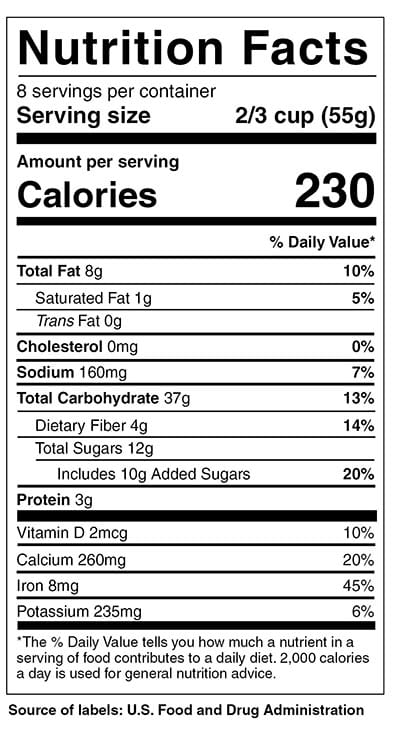
How to read food labels | Heart Failure
Worried about your cholesterol level? Try incorporating these foods in ... Fats, sugar, carbs: Here's how to read food labels for healthy and clean eating; ... There are some specific foods that can also help cholesterol levels. Story continues below Advertisement.
How-To Guide for Reading Food Labels
How to Read Nutrition Facts Labels the Right Way - GoodRx However, foods that contain less than 0.5 g per serving are allowed to list the trans fats as 0 g on a nutrition label, so consumption of these fats is still possible. Foods that may contain small amounts of trans fats include: Packaged baked goods Ready-to-eat frozen meals Refrigerated doughs Fried foods Margarine Shortening

SHARING Very Important piece of information I got.. READING #nutrition labels is most #important ...
How to Read the Nutrition Facts Label on Packaged Foods - WebMD Limit salt to 2,300 milligrams (about 1 teaspoon) daily. If you have high blood pressure, kidney disease, or diabetes, or are African-American or older than 51, your daily limit is lower: 1,500...
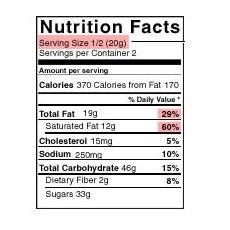
14 cholesterol facts YOU should know - Rediff Getahead
How to Tell if Foods Are Low or High Cholesterol - Verywell Health Each food label should include milligrams (mg) of cholesterol per serving. Don't forget to look at the serving size as well. Sometimes products can seem low in cholesterol, but if you eat more than the recommended servings at one sitting, then you can end up consuming a lot more cholesterol than you intended.
.jpg)
Raising Good Cholesterol Levels Reduces Heart AttackStroke Risk in T2 Diabetes Patients ...
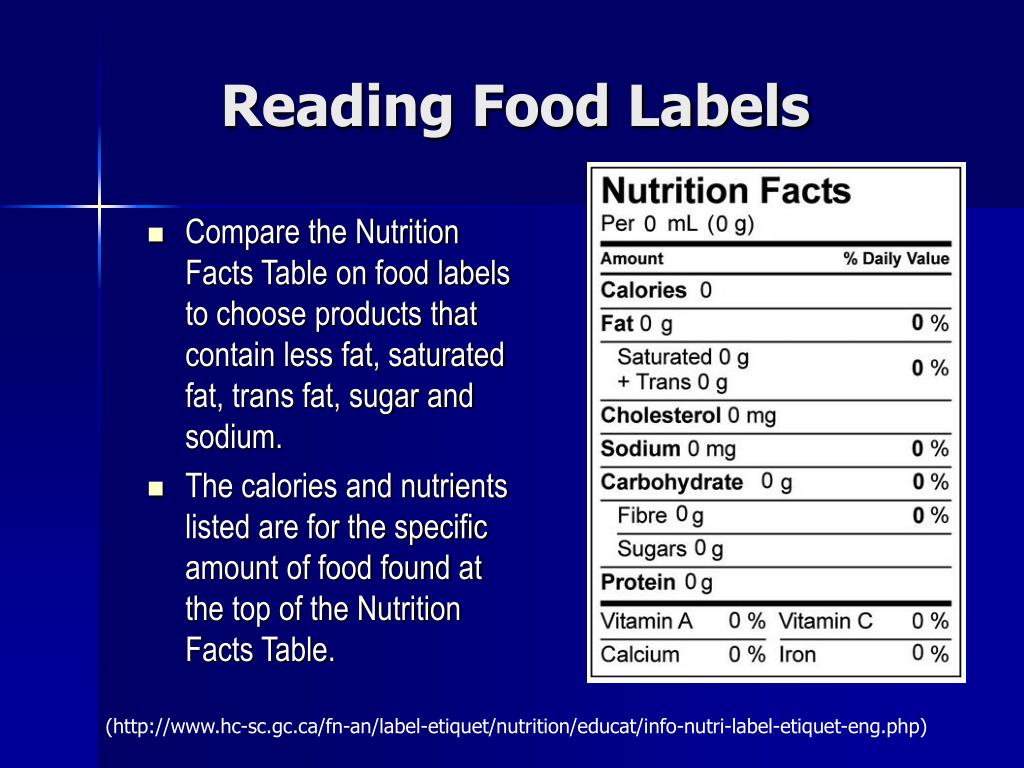
PPT - Nutrition and Older Adults: Issues among Community and Long-Term Care Residents PowerPoint ...

Reading Food Labels - Mariposa Naturals
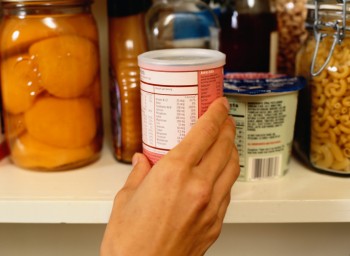
Can Reading Food Labels Help You Get Healthy? - CDiabetes.com - Cardio and Diabetes Healthy ...
Post a Comment for "45 reading food labels cholesterol"